European Squid
Loligo vulgaris
Loligo vulgaris is a fast-swimming cephalopod with an elongated body, two fins, eight arms and two longer tentacles. Its mantle (main body) typically measures 15–25 cm, although larger individuals can grow considerably longer. Its skin contains specialized pigment cells that allow it to rapidly change colour and patterns.
About this species
Species identity
Loligo vulgaris is a fast-swimming cephalopod with an elongated body, two fins, eight arms and two longer tentacles. Its mantle (main body) typically measures 15–25 cm, although larger individuals can grow considerably longer. Its skin contains specialized pigment cells that allow it to rapidly change colour and patterns.
Where it lives
The European squid inhabits temperate waters of the eastern Atlantic Ocean, from the North Sea and British Isles southward along the European and African coasts to southwestern Africa. It is also widespread throughout the Mediterranean Sea, including the Adriatic, and has occasionally been recorded in the western Baltic Sea.
It mainly inhabits continental shelf waters, commonly at depths of 20–250 m, although it can occur deeper. In some regions, adults move into shallower coastal waters during the spawning season.
Role in the ecosystem
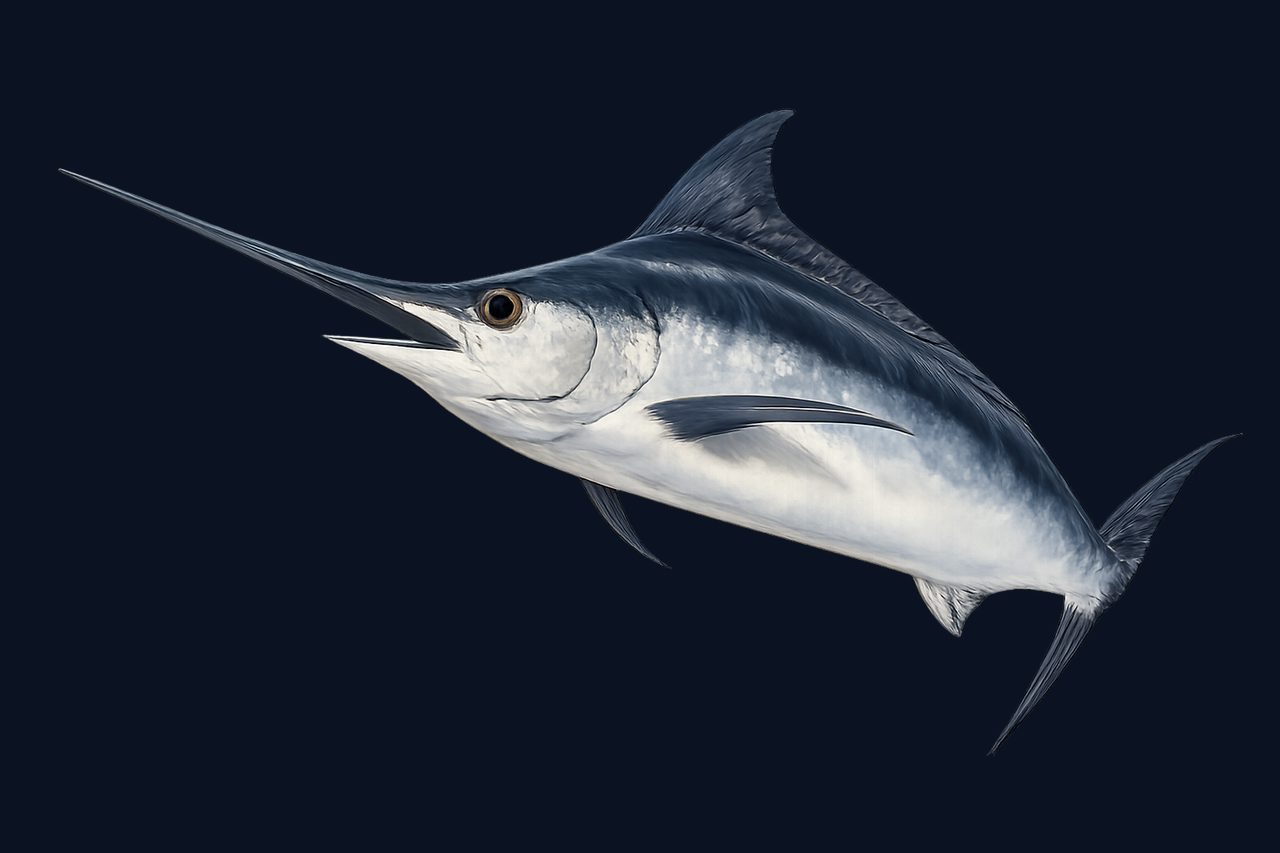
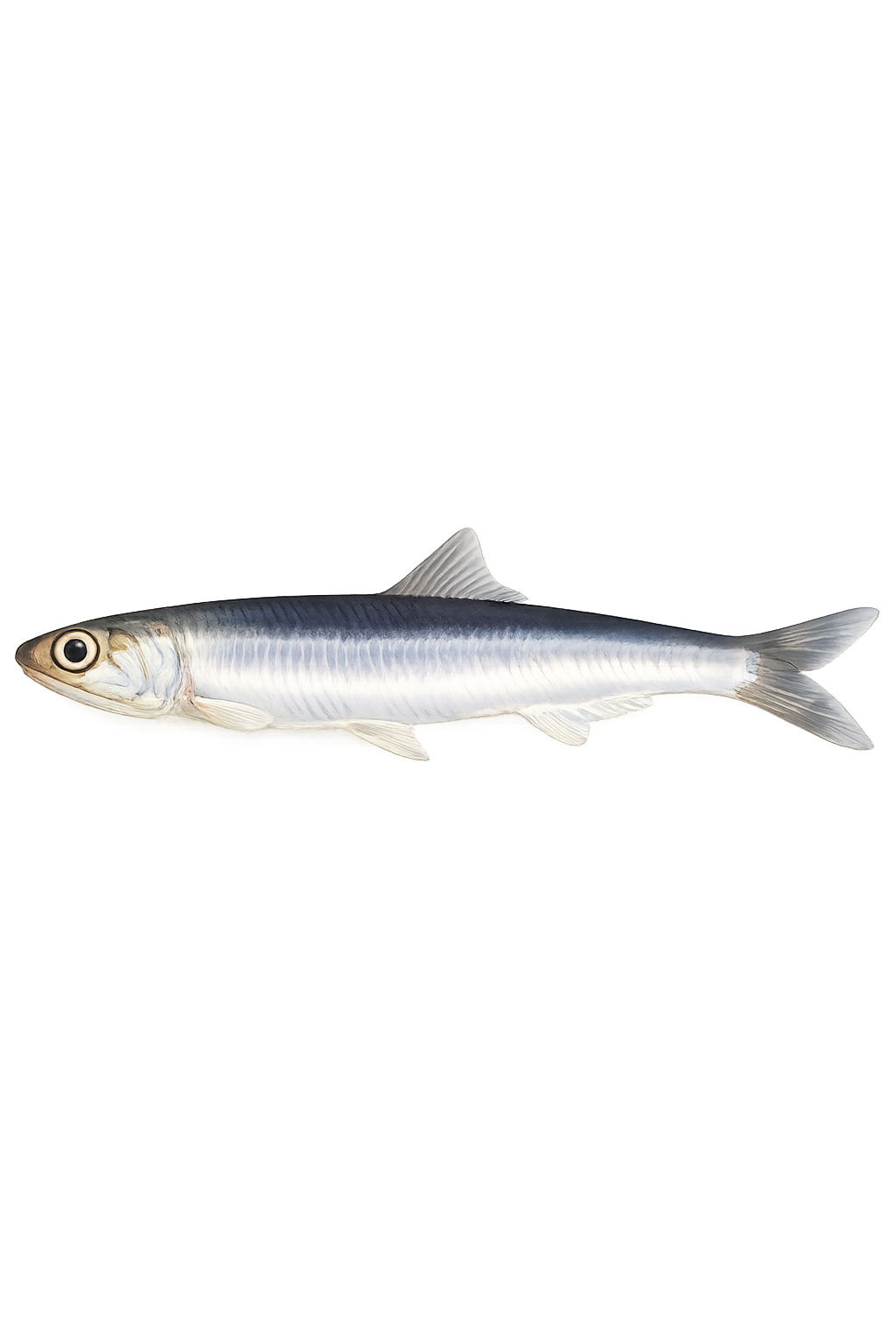
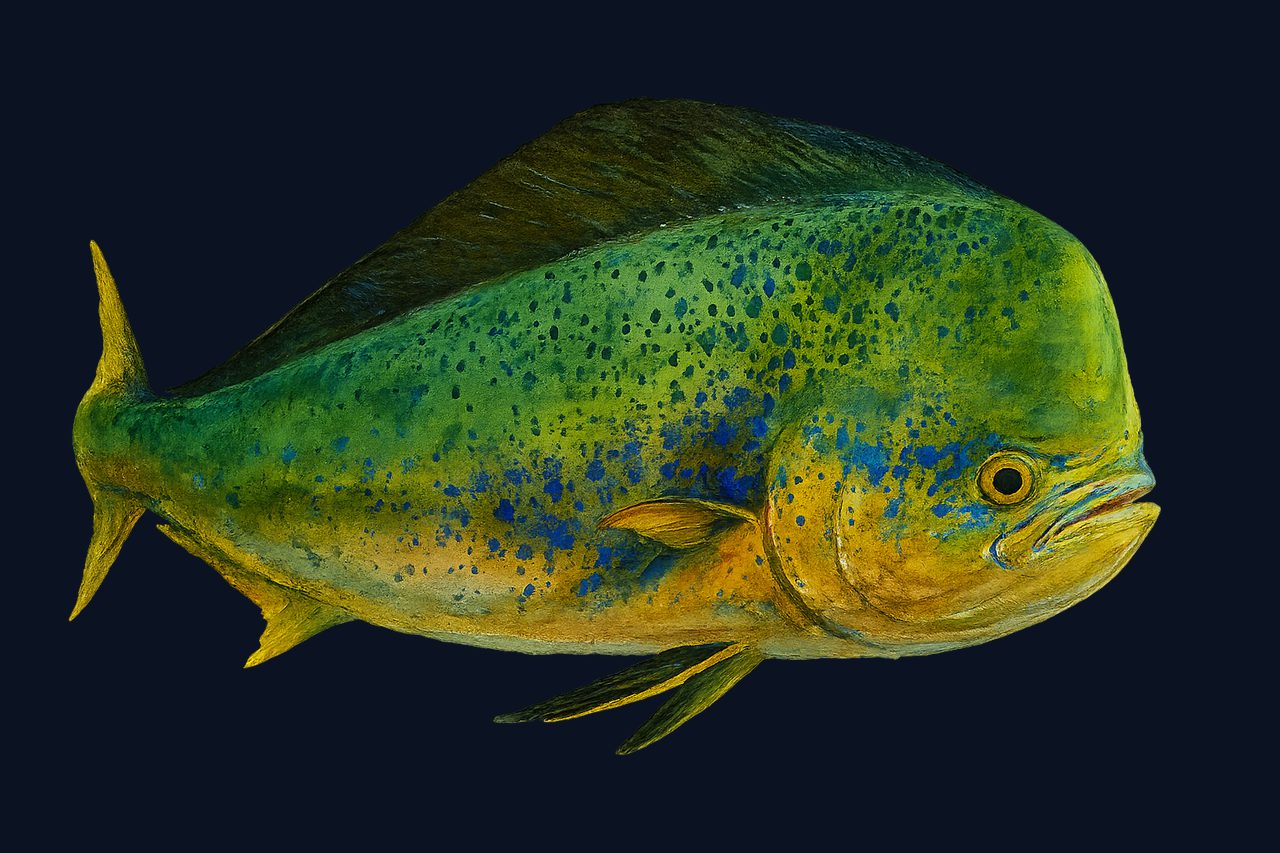
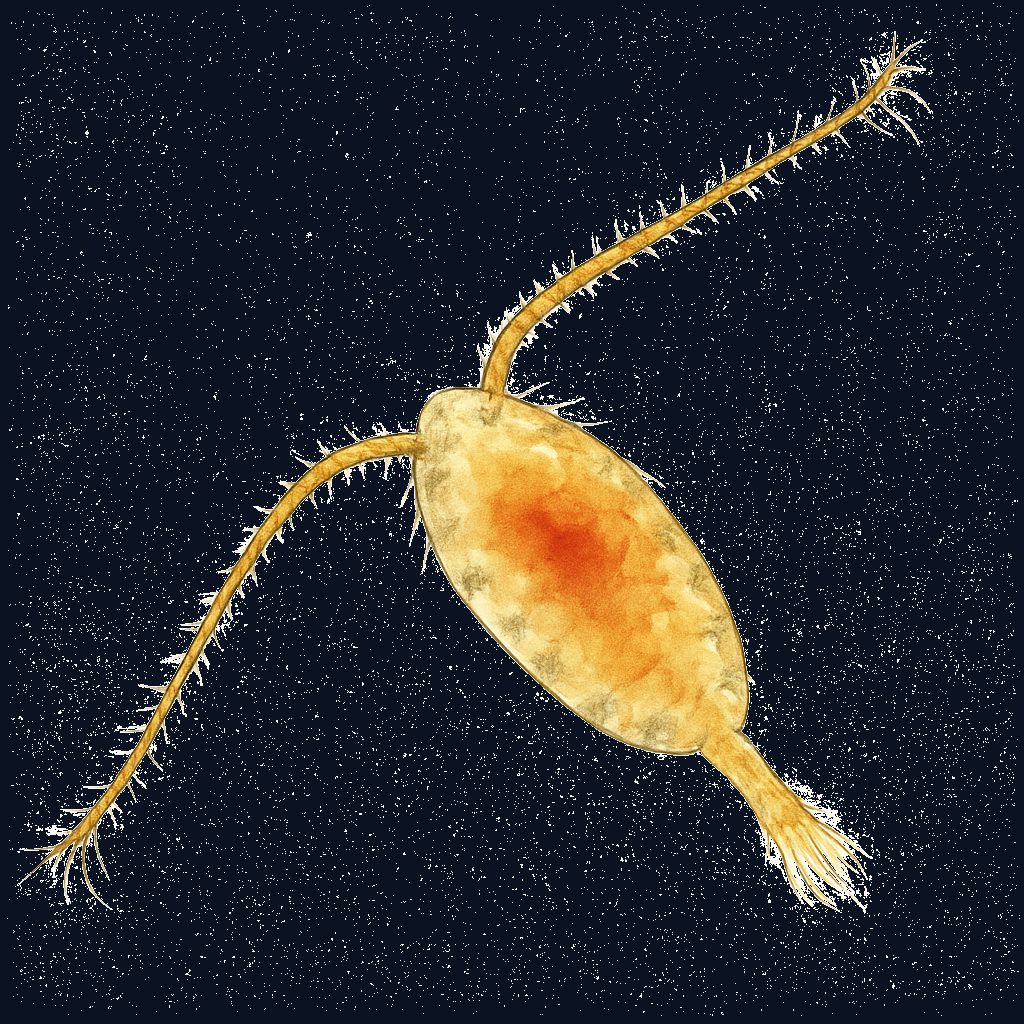
Loligo vulgaris is an active predator that feeds mainly on fishes, but also consumes crustaceans and other cephalopods. It is also an important prey species for larger fishes and marine mammals, including dolphins. Through these feeding relationships, it helps transfer energy between different levels of coastal marine food webs.
Scientific reference
Citation
Explore and connect
Open the secondary consumer view and compare this species with related marine life.

FAQ
Does the European squid lay its eggs one at a time?
No! Females attach long, jelly-like capsules containing dozens of eggs to structures on the seafloor. Several females can deposit their capsules together, creating large egg masses containing thousands of developing squid.
Does Loligo vulgaris hunt fish and shrimp in the same way?
Not always! Scientists have observed that it uses its two long tentacles to capture fast-moving fish, while it can spread its eight arms to grab smaller, slower prey such as prawns.